READ. QUESTION. EXPLORE.
Library
Book recommendations from The Bible Guy.
Unconvinced
Jon Cohen
Unconvinced is a bold, accessible, and morally urgent book about a widespread assumption in religion that often goes unexamined: that we are responsible for what we believe. Drawing on philosophy, psychology, neuroscience, and theology, it makes the case that belief is not a choice—and that salvation systems which reward or punish people for what they believe are therefore unjust. The book doesn’t attempt to settle the question of God’s existence. Instead, it zeroes in on how belief works and why that matters. Through engaging arguments and real-world analogies, it offers a new lens through which to evaluate the logic and ethics of belief-based religion, particularly Christianity and Islam. The central claim is simple but disruptive: belief cannot be chosen, and we should be judged instead by our honesty, integrity, and moral effort. Unconvinced is for readers who have wrestled with doubt and those who care about justice, truth, and the human condition.
Purchase this book ↗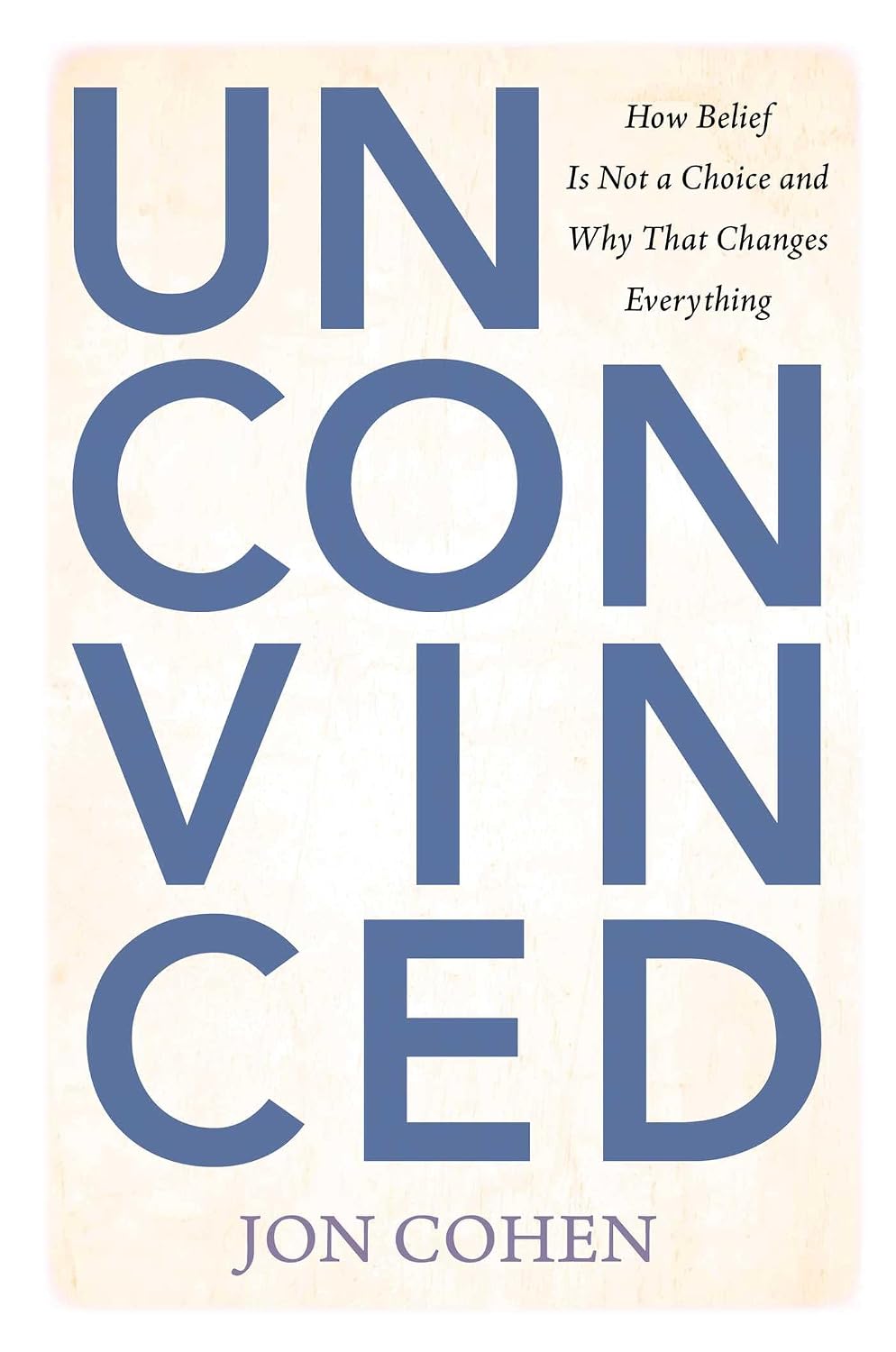
The Composition of the Pentateuch
Joel S. Baden
In The Composition of the Pentateuch: Renewing the Documentary Hypothesis, biblical scholar Joel S. Baden defends the theory that the Torah was composed from four originally independent sources: J, E, P, and D. Through an examination of contradictions, repetitions, and literary inconsistencies, Baden demonstrates how these distinct narratives were combined to form the Pentateuch. Challenging traditional Mosaic authorship, Baden offers a rigorous scholarly framework for understanding the Torah’s complex literary origins.
Purchase this book ↗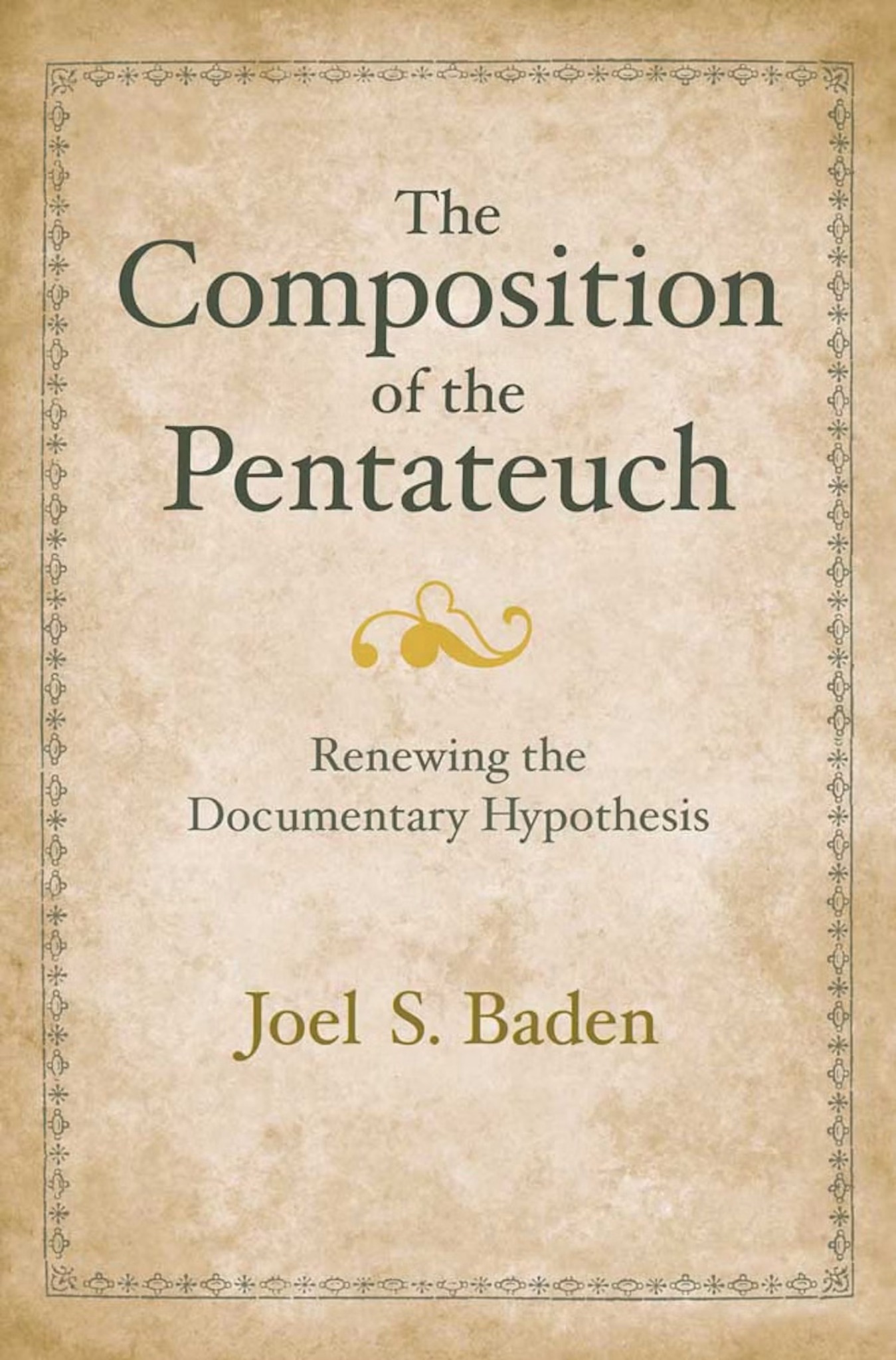
God: An Anatomy
Francesca Stavrakopoulou
In God: An Anatomy, biblical scholar Francesca Stavrakopoulou challenges the traditional Jewish and Christian understanding of God as an invisible, immaterial being by exploring how ancient Israelites originally envisioned their deity. Drawing on biblical texts, archaeology, and ancient Near Eastern literature, she argues that Yahweh was once understood as a distinctly physical, masculine deity with a body, emotions, desires, and characteristics shared with other gods of the ancient world. Examining everything from God's feet and hands to his face and genitals, Stavrakopoulou reconstructs a vivid portrait of the biblical God and traces how centuries of theological reinterpretation transformed this embodied deity into the transcendent, incorporeal God familiar to modern Judaism and Christianity. The book offers a provocative and extensively researched examination of how ancient conceptions of the divine evolved over time.
Purchase this book ↗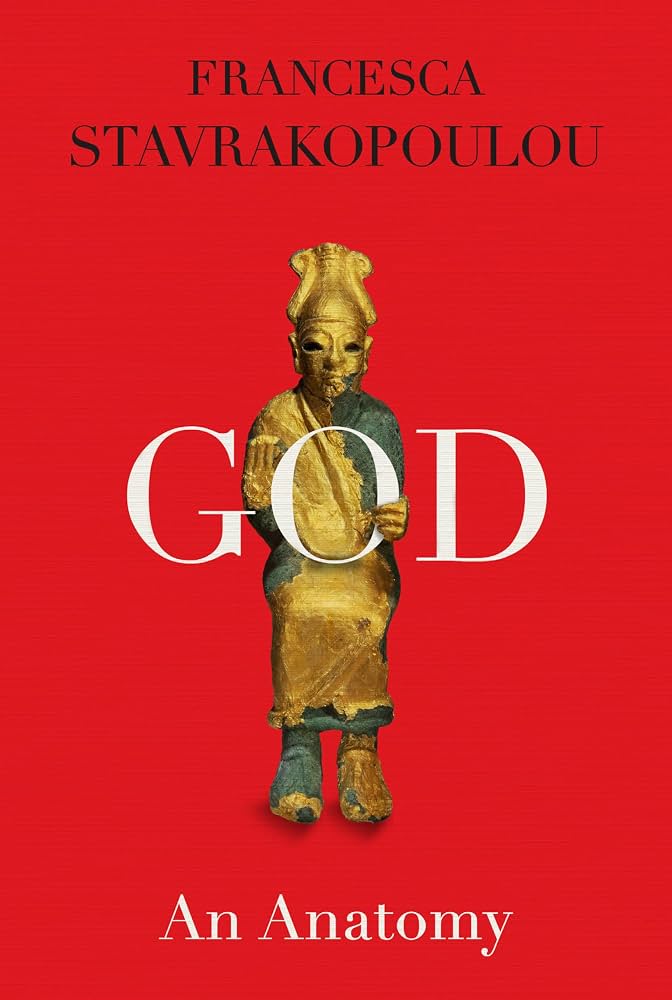
The Triumph of Christianity
Bart D. Ehrman
In The Triumph of Christianity, New Testament scholar Bart D. Ehrman examines how a small Jewish movement centered on Jesus of Nazareth grew into the dominant religion of the Roman Empire. Drawing on historical evidence, Ehrman explores the social, political, and religious factors behind Christianity's expansion, emphasizing the importance of personal conversions, social networks, and Christianity's exclusive devotion to one God. He offers a historical explanation for how a once-marginal religious movement transformed the ancient world.
Purchase this book ↗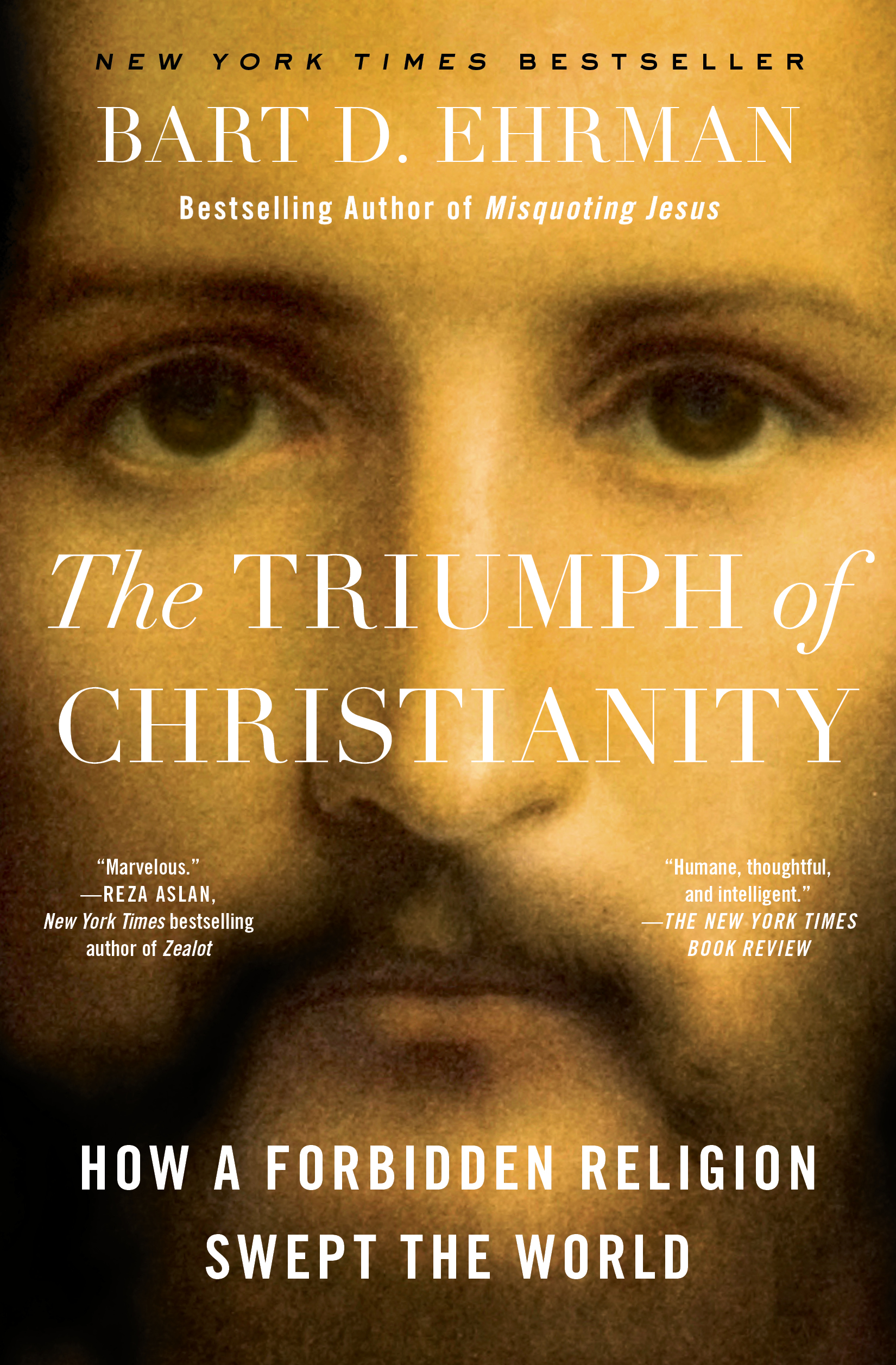
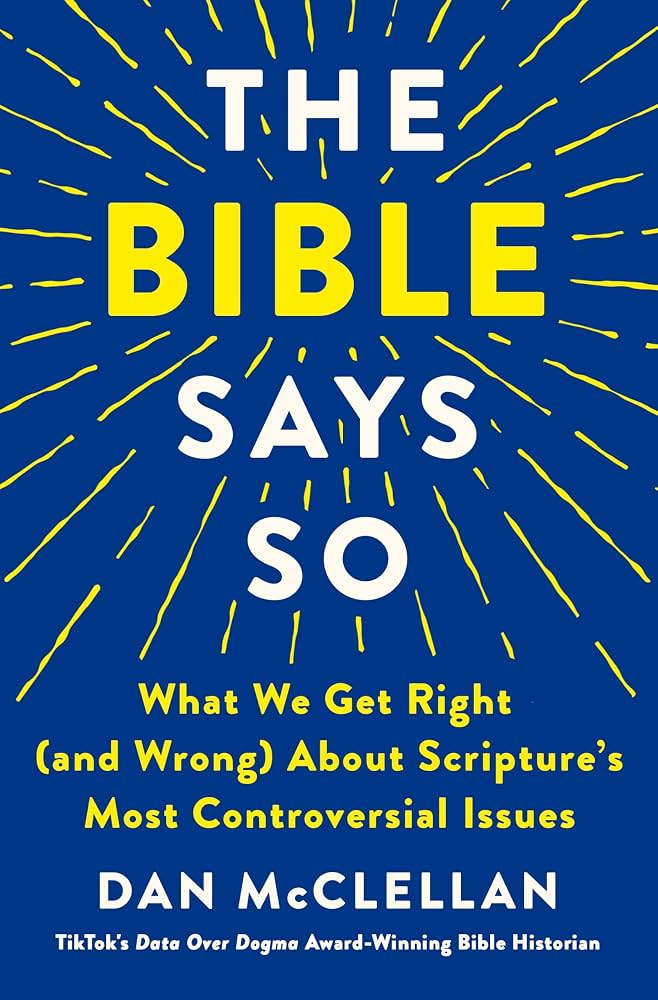
The Bible Says So
Dan McClellan
In The Bible Says So: What We Get Right (and Wrong) About Scripture’s Most Controversial Issues, biblical scholar Dan McClellan challenges widespread misconceptions about what the Bible actually says. Drawing on historical context, ancient languages, and modern biblical scholarship, McClellan examines controversial subjects such as homosexuality, abortion, slavery, divine inspiration, and the nature of God. Using his signature “data over dogma” approach, he distinguishes the original meanings of biblical texts from the theological traditions and modern interpretations often imposed upon them, offering readers an accessible, evidence-based understanding of scripture.
Purchase this book ↗